
What happens to an apartment after receiving the keys: how to turn Phuket real estate into a working asset

Buying property in Phuket often ends with a nice photo of the keys. The deal is closed, the apartment is handed over to the owner — and it seems the property should now automatically start generating income.
But for an investor, this is the moment the most important stage actually begins: operating the property.
A good location, a modern interior, and an attractive purchase price create strong potential. On their own, however, they guarantee neither stable occupancy nor high yield. For an apartment to truly work as an investment asset, it needs a thoughtful management system — from preparing the unit and pricing it to serving tenants and providing transparent financial reporting.
Want to understand in advance what yield your Phuket property can realistically deliver after management and costs? Leave a request — we'll build a calculation for your apartment.
Receiving the keys is the start, not the finish
After the apartment is handed over, the owner has to resolve a whole range of practical questions:
- is the unit ready for move-in;
- who will find tenants;
- how to set the nightly rate;
- who handles cleaning and maintenance;
- how to control costs;
- in what format the owner receives reports;
- what to do about damage or urgent guest requests.
If these processes are not arranged in advance, even an attractive apartment can sit empty, collect weak reviews, or generate unplanned costs.
Let's break down what effective property management consists of.
1. Preparing the apartment for its first rental
Even a brand-new developer apartment is not always fully ready to receive tenants.
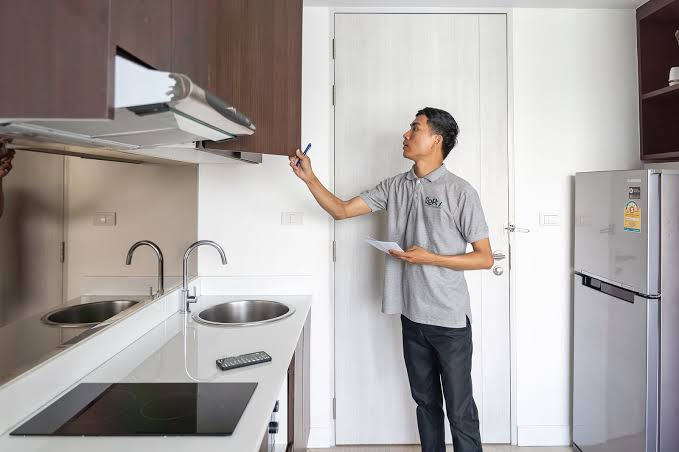
Before the first check-in, the property needs a thorough inspection. It's important to confirm that the furniture is assembled correctly, the appliances work, the internet is connected, the air conditioners have been serviced, and the plumbing has no leaks.
Everyday details deserve special attention:
- bed linen and towels;
- tableware and kitchenware;
- lighting;
- curtains;
- a drying rack;
- a basic inventory;
- working locks;
- the quality of the final cleaning.
For an owner, a few missing items may seem insignificant. For a tenant, it is exactly these small things that often shape the overall impression of the stay.
So preparing an apartment is not simply buying furniture. It's creating a fully finished product you can confidently bring to market.
Order a first-rental preparation checklist — we'll help turn your unit into a ready product.
2. A professional presentation of the property
A tenant does not choose square metres. They choose an impression, a scenario for their holiday, and a level of comfort.
The first encounter with the apartment happens through photos and a description. If the presentation is weak, a potential guest may simply not notice the property's advantages — even if the apartment sits right by the beach and has a high-quality interior.
An effective listing needs:
- professional photography;
- a logical sequence of photos;
- a clear, structured description;
- honest information about the distance to the beach;
- a description of the complex's and the area's infrastructure;
- a list of available amenities;
- house rules;
- check-in and check-out conditions.
Photos should show not only the interior but how a person will actually use the space: where they can have breakfast, work, relax, or spend an evening.
At the same time, it's important to stay realistic. Inflated expectations can lead to disappointment, conflict, and negative reviews. A good presentation highlights an apartment's strengths without misleading the tenant.
3. Managing the rental price
A single fixed rate for the entire year rarely produces the best result.
The Phuket rental market shifts with the season, holidays, area, current demand, and the number of available properties. That is why the nightly rate has to be adjusted regularly.
Pricing takes into account:
- high and low season;
- holiday and peak dates;
- length of stay;
- current competitor occupancy;
- demand in the specific area;
- the apartment's characteristics;
- days until the expected check-in;
- the property's own current occupancy.
A price that is too high increases the risk of idle days. A price that is too low helps fill the calendar quickly but reduces the owner's overall profit.
The goal of management is not to set the highest possible rate. It's to find the balance between price and occupancy that delivers the best financial result over the whole period.
That's why it's more accurate to evaluate not a single night's rate but the property's income across a month, a season, or a year.
4. Working with tenants
For the apartment's income to become passive for the owner, someone has to handle the daily operations.
Rental management includes:
- handling enquiries;
- confirming bookings;
- check-in and check-out;
- collecting and returning deposits;
- arranging cleaning;
- resolving day-to-day issues;
- enforcing house rules;
- managing reviews;
- logging damage;
- responding to emergencies.
A tenant can lose a key, report a broken air conditioner, or ask for a late check-out. Sometimes the issue is solved in minutes, sometimes it needs a technician, the complex administrator, or the owner.
The quality and speed of the response directly shape the guest's impression. And good reviews, in turn, sustain demand and keep the property attractive.
So professional management is not just posting a listing. It's constant work with people and with situations as they arise.
5. Monitoring the condition of the apartment
In Phuket it's especially important to watch the air conditioners, humidity, plumbing, and the condition of the finishes. If an apartment is left unattended for long, a small issue can quickly turn into an expensive repair.
You should regularly check:
- air conditioner operation;
- for leaks;
- the condition of the furniture;
- household appliances;
- humidity levels;
- walls and ceilings;
- locks and doors;
- damage after a tenant checks out;
- the completeness of the inventory.
Inspection is best done after every stay, with scheduled technical maintenance on a set calendar.
This approach lets you catch faults early, control costs, and keep the apartment in good condition. For an investor, this matters not only for current rental but for preserving the value of the asset itself.
6. Financial reporting
An owner should see not only the total amount received but the full economics of the property.
A proper apartment management report should include:
- the number of booked nights;
- occupancy rate;
- the average nightly rate;
- gross income;
- the management company's commission;
- cleaning costs;
- utility costs;
- advertising and listing costs;
- repair and maintenance costs;
- the net amount received by the owner.
The phrase "the apartment earned 500,000 baht" on its own says almost nothing about the efficiency of the investment. What matters is the period the income covers, which costs were deducted, and how much money actually stayed with the owner.
Transparent reporting lets you compare the actual result against the original financial plan and make sound decisions: change the rental strategy, adjust the price, or revisit the cost structure.
Self-management or a management company?
Some owners prefer to handle the rental themselves. This approach can save on commissions but demands time, constant presence, and an understanding of the local market.
On your own you would have to:
- create and update listings;
- respond to enquiries;
- coordinate check-ins;
- oversee cleaning;
- find technicians;
- resolve tenant issues;
- track income and expenses.
A management company takes these tasks on, but its services affect the final yield. So choosing a partner by commission alone is not enough.
A low commission does not always mean better terms. You need to understand which services are included, which costs are charged separately, and how transparent the company's work really is.
Seven questions for a management company
Before signing a contract, it's worth asking at least seven questions.
1. How is the commission calculated?
Clarify which base it's charged on: total revenue, revenue after costs, or actually received payments.
2. Who pays for advertising and listings?
Placement on platforms, listing promotion, photography, and additional marketing services may be charged separately.
3. Are cleaning costs included in the management fee?
It's important to understand who pays for cleaning, linen replacement, laundry, and consumables.
4. Who sets the rental rate?
Find out whether the management company can change the price on its own and how the owner takes part in approving tariffs.
5. How often are reports provided?
It's best to see a sample report in advance and understand which metrics it shows.
6. Who approves repairs?
The contract should set a spending limit the management company can incur without the owner's additional permission.
7. Can the contract be terminated?
Check the contract term, the termination procedure, the notice period, and any possible penalties.
Answers to these questions help you assess not only the cost of the service but the real level of control the owner has over the property.
Why the management model should be chosen before buying
The management strategy influences the choice of the property itself.
A unit for short-term rental has to meet one set of requirements, and an apartment for long-term living meets another. The area, infrastructure, layout, complex rules, operating costs, and target audience all matter.
If you buy an apartment first and only then think about how to rent it out, you can run into limitations that reduce the potential income.
It's far more effective to decide in advance:
- who the main tenant will be;
- the planned rental term;
- what occupancy level is realistic;
- how much management will cost;
- what recurring costs will arise;
- who will monitor the property's condition;
- what income will remain after all costs.
This way the investment decision is built on a working financial model, not just an attractive project presentation.
The key idea
Yield is not created by the property alone. It's created by the system that manages that property.
A good apartment without competent operation can sit empty and demand constant spending. At the same time, professional preparation, dynamic pricing, quality tenant relations, and transparent financial control help a property reach its potential.
That's why the management model should be chosen before the purchase — alongside the area, the project, and the layout.
The Jungle House team helps you assess not only the price and location of Phuket property but also the future costs, available management options, and a realistic income scenario.
Want to turn your Phuket apartment into a working asset? Leave a request — we'll get back to you.
Get new articles in Telegram - follow the Jungle House Phuket channel
TelegramWant to discuss investments?
Write to us and we'll find properties to match your budget with an honest return calculation.