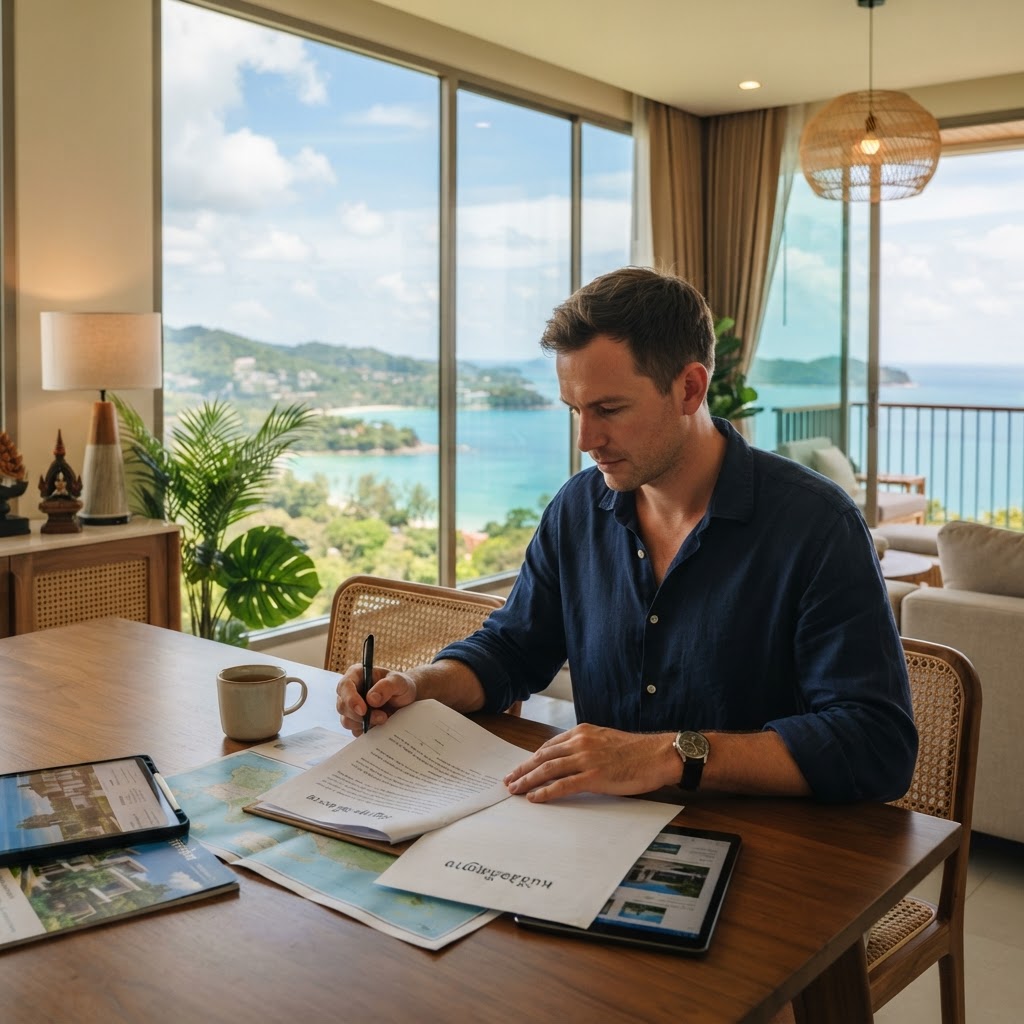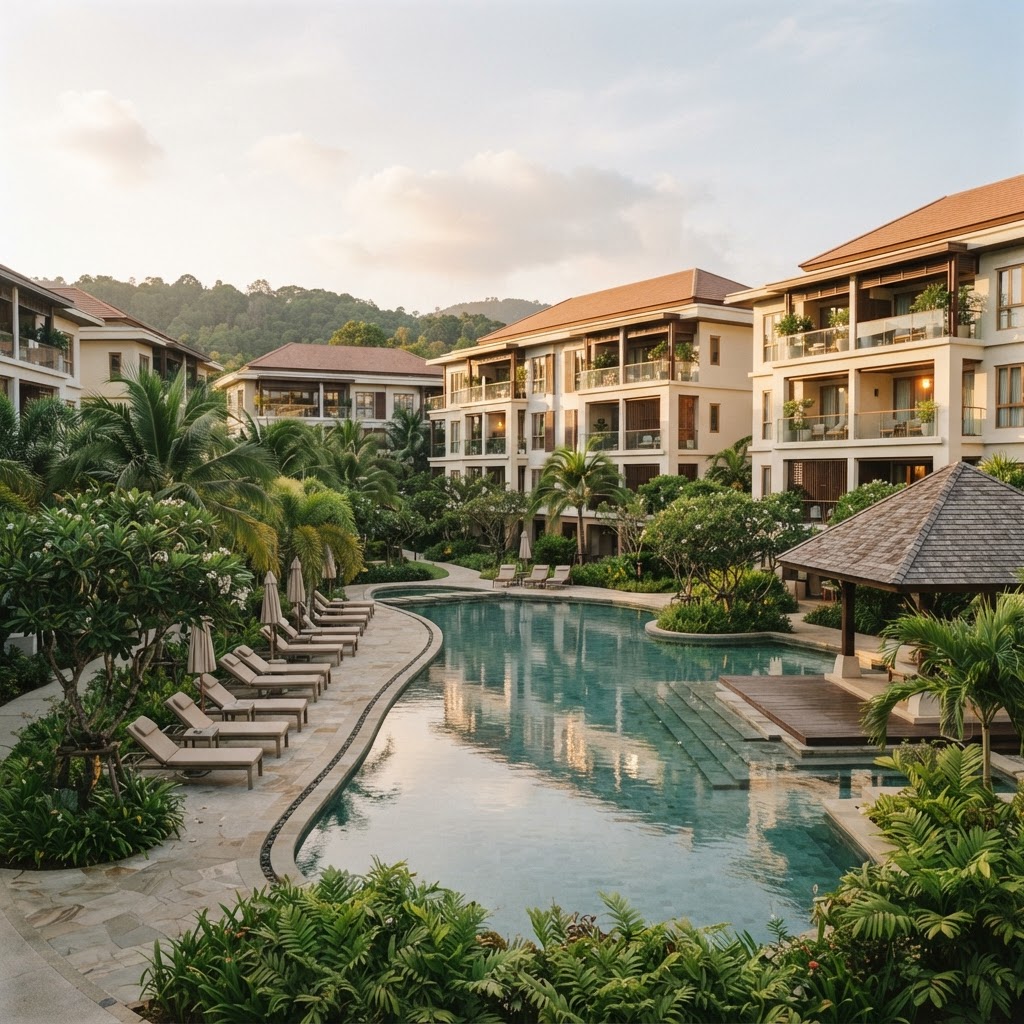
Freehold vs Leasehold in Thailand: A Complete Guide for 2026

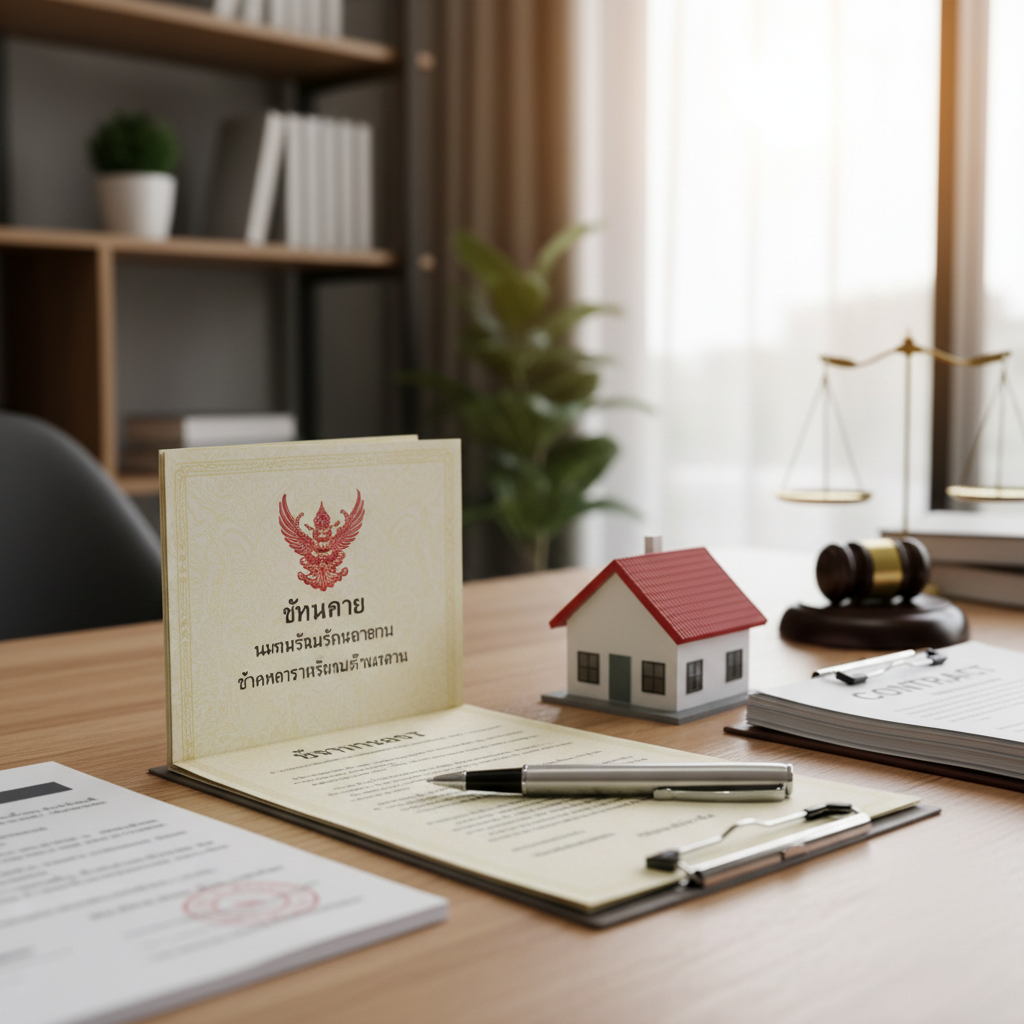
Freehold vs. Leasehold in Thailand — Complete Guide 2026
If you are considering buying property in Phuket, you will inevitably encounter two terms: freehold and leasehold. Let's break down each option in detail.
What is Freehold?
Freehold (full ownership) means you own the property indefinitely, just as you might in your home country. In Thailand, foreigners can purchase freehold only for condominiums, provided that the foreign ownership quota in the building does not exceed 49%.
Advantages of freehold:
- Permanent ownership rights
- Ability to sell, gift, or bequeath the property
- Easier to obtain a mortgage (if available)
- Higher liquidity when reselling
Disadvantages of freehold:
- Available only for condominiums for foreign buyers
- The 49% quota may be exhausted in popular complexes
- Prices are 20–30% higher compared to leasehold
What is Leasehold?
Leasehold (long-term lease) means you lease the land or property for an extended period, typically 30 years with the right to renew for another 30+30 years (up to 90 years in total). This is the most common way for foreigners to purchase villas and townhouses.
Advantages of leasehold:
- The only legal way for foreigners to hold a villa on land
- Price is 20–30% lower than freehold
- With a properly drafted agreement, it offers solid legal protection
- The leasehold right can be resold to another buyer
Disadvantages of leasehold:
- Limited term — you must track renewals
- More complex to pass through inheritance (requires prior arrangement)
- Lower liquidity when reselling
- Banks are generally reluctant to provide mortgages for leasehold property
What to Choose?
| Situation | Recommendation |
|---|---|
| Buying an apartment/condo | Freehold — if the quota is still available |
| Buying a villa | Leasehold — the only option for foreigners |
| 5–10 year investment | Leasehold — 20–30% entry cost savings |
| Long-term living (30+ years) | Freehold condo or leasehold with renewal |
Alternative: Thai Company
Some buyers register a villa through a Thai company (Thai Ltd.), which owns the land. While technically legal, it requires real Thai partners to hold >50% of the shares and necessitates annual reporting.
We at Jungle House do not recommend this option without deep legal due diligence, as the risks are too high.
How to Check Property Status?
- Request the Title Deed (Chanote) — this is the primary document
- Verify the owner's name at the Land Department
- Ensure there are no mortgages or encumbrances
- For condos — request a certificate of the foreign ownership ratio in the building
Conclusion
There is no universal answer — it all depends on your goals. If you want a condo for investment, choose freehold while the quota remains. If you dream of a villa, a leasehold with a solid contract will protect your rights.
Need a consultation? Our specialists will review a specific property and explain which option suits you best.
Get new articles in Telegram - follow the Jungle House Phuket channel
TelegramWant to discuss investments?
Write to us and we'll find properties to match your budget with an honest return calculation.